Open Doors’ latest World Watch List reveals an escalation in some of the prevalent trends seen over the past years, particularly in targeted violence against Christians.
Christian Persecution: An Overview
Over 388 million Christians now face high to extreme levels of persecution and discrimination for their faith.
That’s…
1 in 7 Christians worldwide, 1 in 5 Christians in Africa, 2 in 5 Christians in Asia, and 1 in 12 Christians in Latin America.
In 2025, the figure was just over 380 million. In the current World Watch List top 50 countries alone, 315 million Christians face very high or extreme levels of persecution and discrimination for their faith.
Top Trends in Christian Persecution 2026
The leading trends in Christian persecution have a common denominator of violence. But across the countries most affected, contexts differ, spanning tightly controlled autocratic states, instability due to weak governments, and civil war.
Trend 1: A Surge of Violence in Syria
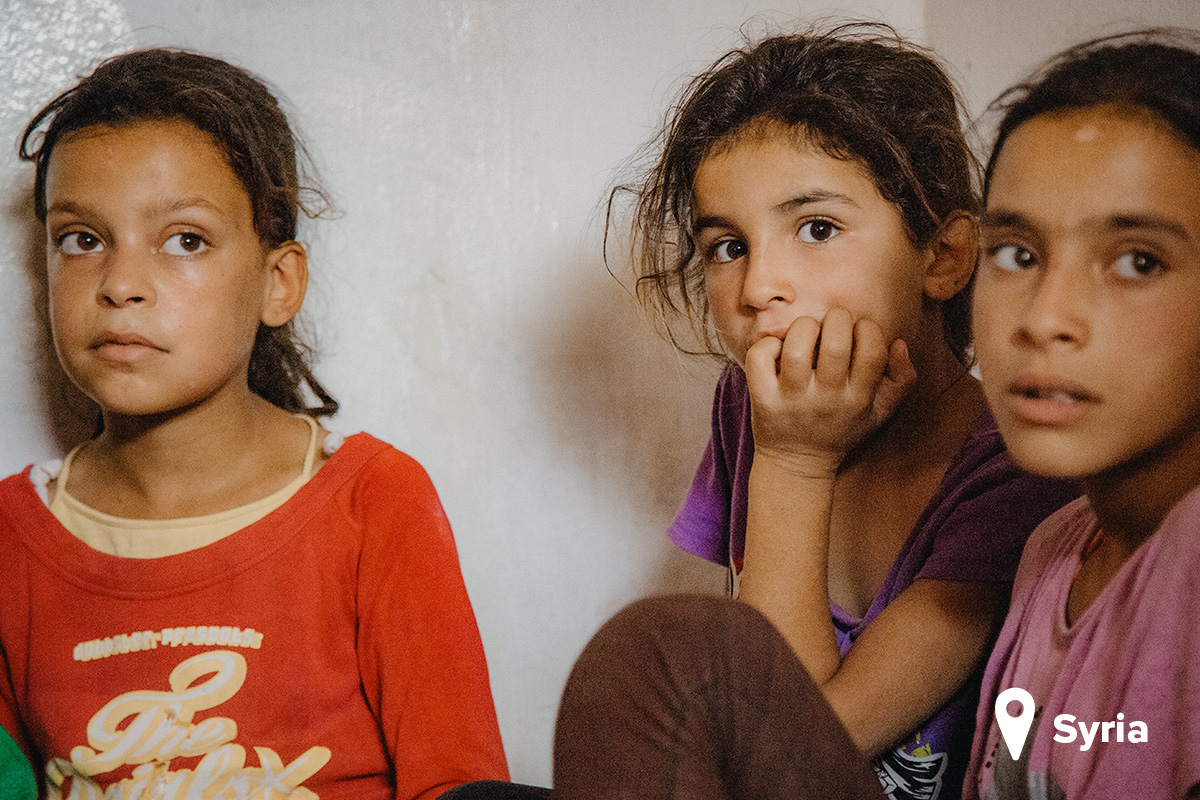
It’s has been more than 10 years since the Islamic State group burst forth from eastern Syria and surged unchallenged across northern Iraq. Many thousands of Christians fled into Türkiye and into the autonomous Kurdistan region in northeast Iraq. The population of Christians in Syria and Iraq took a steep drop. It’s difficult to know exactly how many Christians remain, not only in Syria and Iraq, but throughout the Levant and Holy Lands in the West Bank and Jordan, the cradle of Christianity—to say nothing of Gaza. Open Doors estimates about 300,000 Christians remain in Syria today—hundreds of thousands fewer than 10 years ago.
Trend 2: Violence Against Christians Increases in Sub-Saharan Africa
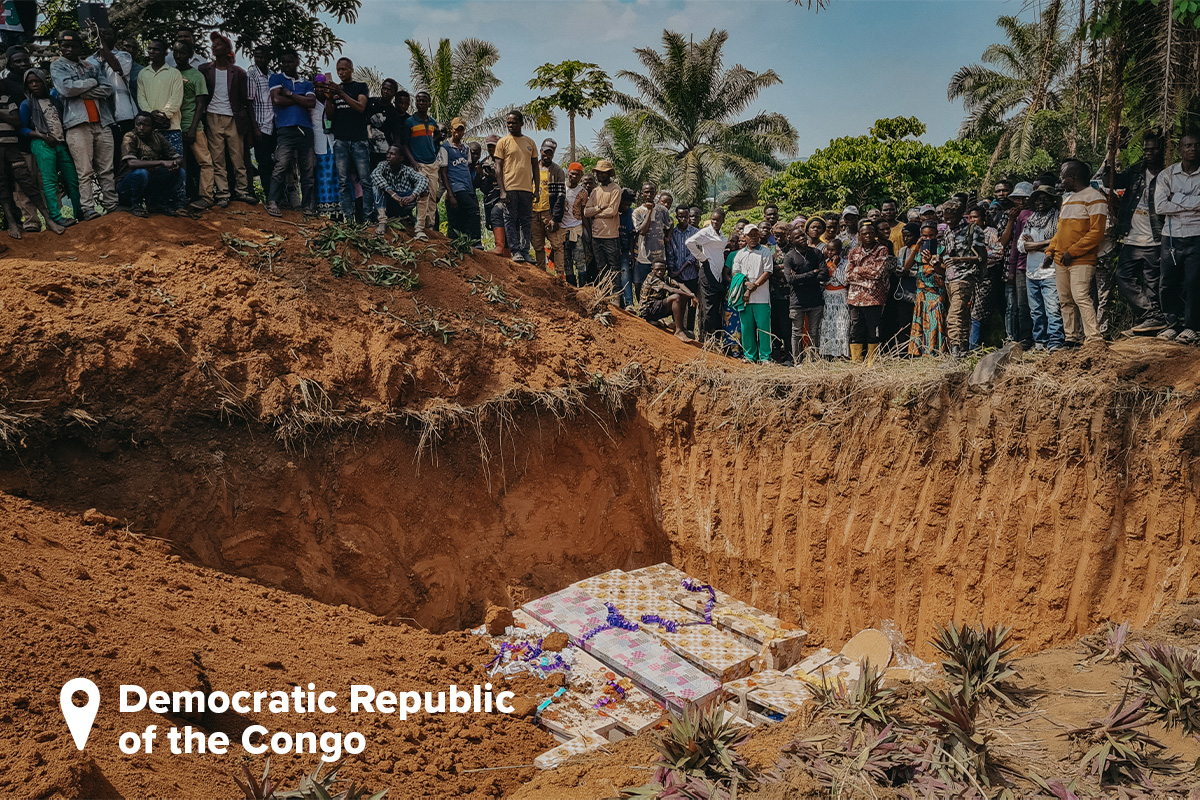
Across the 14 Sub-Saharan African countries on the World Watch List, Nigeria is the sixth-most populous country in the world and Ethiopia the 11th. Together, they are larger than the United States. These 14 countries comprise more than 721 million people, nearly half of whom identify as Christian. 1 in 8 Christians on planet Earth lives in the 14 Sub-Saharan countries that appear on the World Watch List.
In 2026, only three countries were awarded the maximum score of 16.7 for violence. All of them are Sub-Saharan: Sudan, Nigeria, and Mali.
There’s a common thread across all 14 listed countries, including a weakened condition of the state; institutions that are failing or tightly constricted; and the collapse of the rule of law and basic governance so complete that Christians often have no meaningful legal recourse. All of it creates a vacuum that draws in opportunists, mainly armed Islamic militants, who operate with impunity.
Trend 3: Churches Driven into Isolation
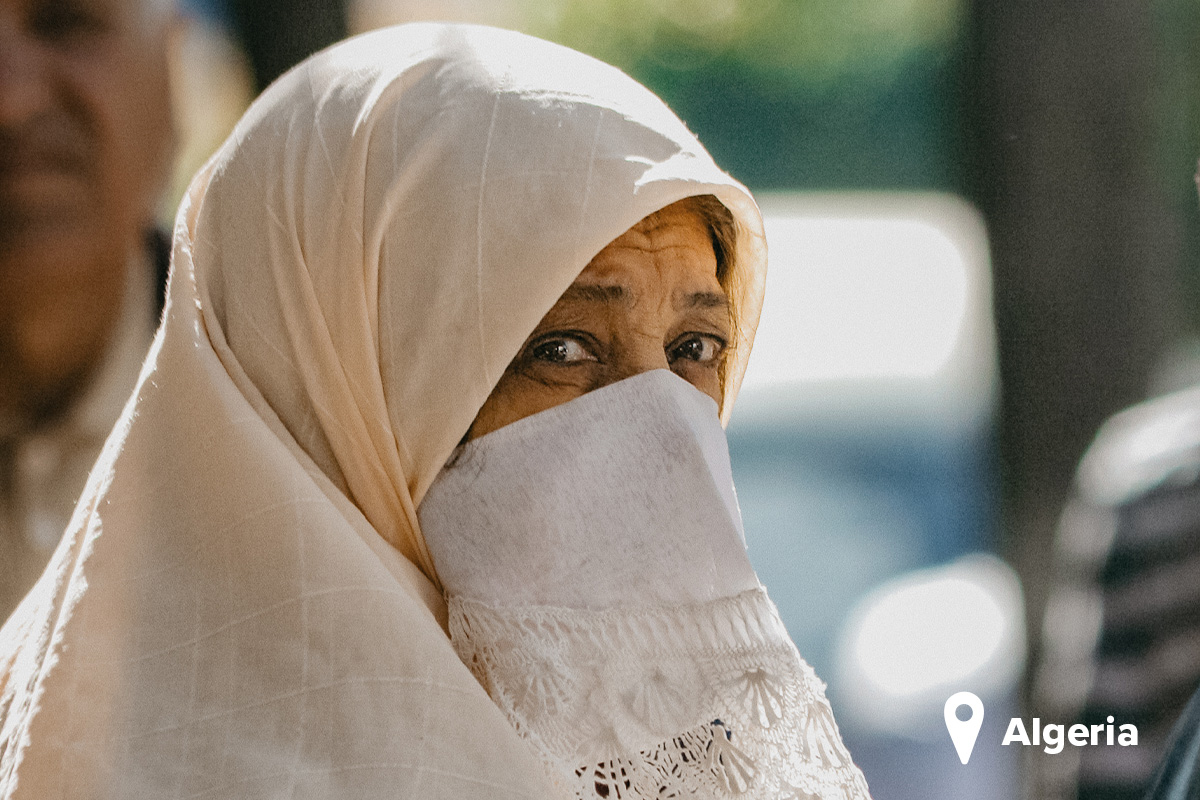
Surveillance and heavy regulation splinter Christian fellowship and push churches underground. Churches are being driven to isolation, less by violence and more by pressures in other areas of Christian life. One example is Algeria.
Recent state pressure on Protestant Christians in Algeria has intensified. In the past year, authorities increasingly targeted the church’s online presence. In December 2024 it shut down a Christian Facebook group with more than 50,000 followers. Authorities have kept previously closed churches shut and ordered others to cease activities. As a result, all 47 churches comprising the Evangelical Protestant Church of Algeria have halted their activities, as have other independent churches. World Watch Research estimates more than 75 percent of Algerian Christians have lost their connection to fellowship. Christians who gather must meet secretly in private homes or business properties to avoid arrest and imprisonment.
Similar trends can be seen for the Church in Mauritania, Tunisia, China, and Vietnam.
Trend 4: Some Good News
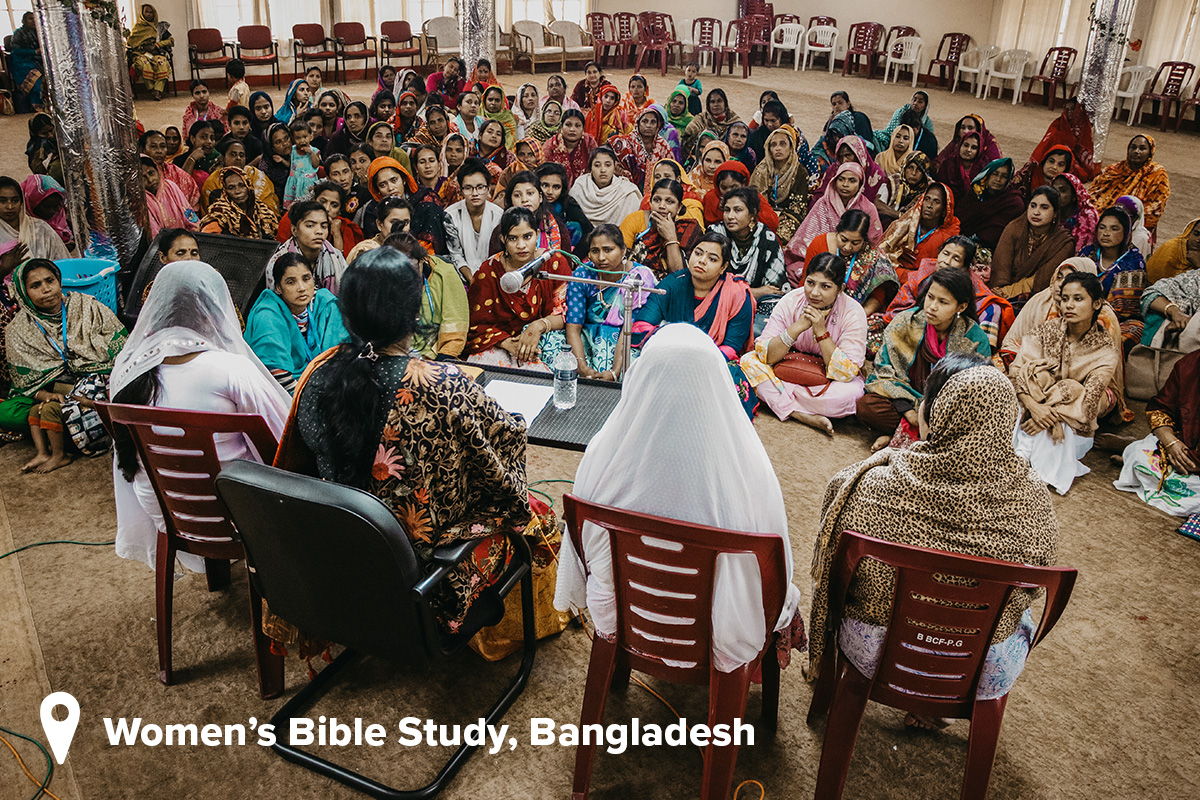
A year ago, Bangladesh’s violence score was nearing maximum. This year it has dropped by 20 percent due to a period of relative calm following the unrest after the Prime Minister was overthrown in 2024.
In Mexico and Colombia, there is growing recognition—from media, civil society, and some state actors— of the specific risks faced by religious leaders in areas affected by organised crime and armed groups. This has elevated the visibility of Christian vulnerability among the public.
In Nicaragua and Cuba, where the main pressure comes from state authorities, international monitoring of violations of religious freedom, and advocacy for the affected churches and religious leaders, has clearly intensified, keeping these concerns on the global agenda.
Across all four countries, churches continue to show remarkable resilience and creativity in adapting their ministries and community work to continue serving vulnerable populations despite a very restrictive environment.
More than eight years after pastor Raymond Koh was kidnapped from his car, a court in Malaysia ordered the government to re-open its investigation into his disappearance. Pastor Koh has not been seen since the February 2017 abduction in the suburb of Kelana Jaya just outside of the Malaysian capital. The judge ordered the police to reopen their investigation into the case and provide reports to the Attorney General on their progress every two months.
Learn more about the World Watch List 2026 here.